How small a gap they really need
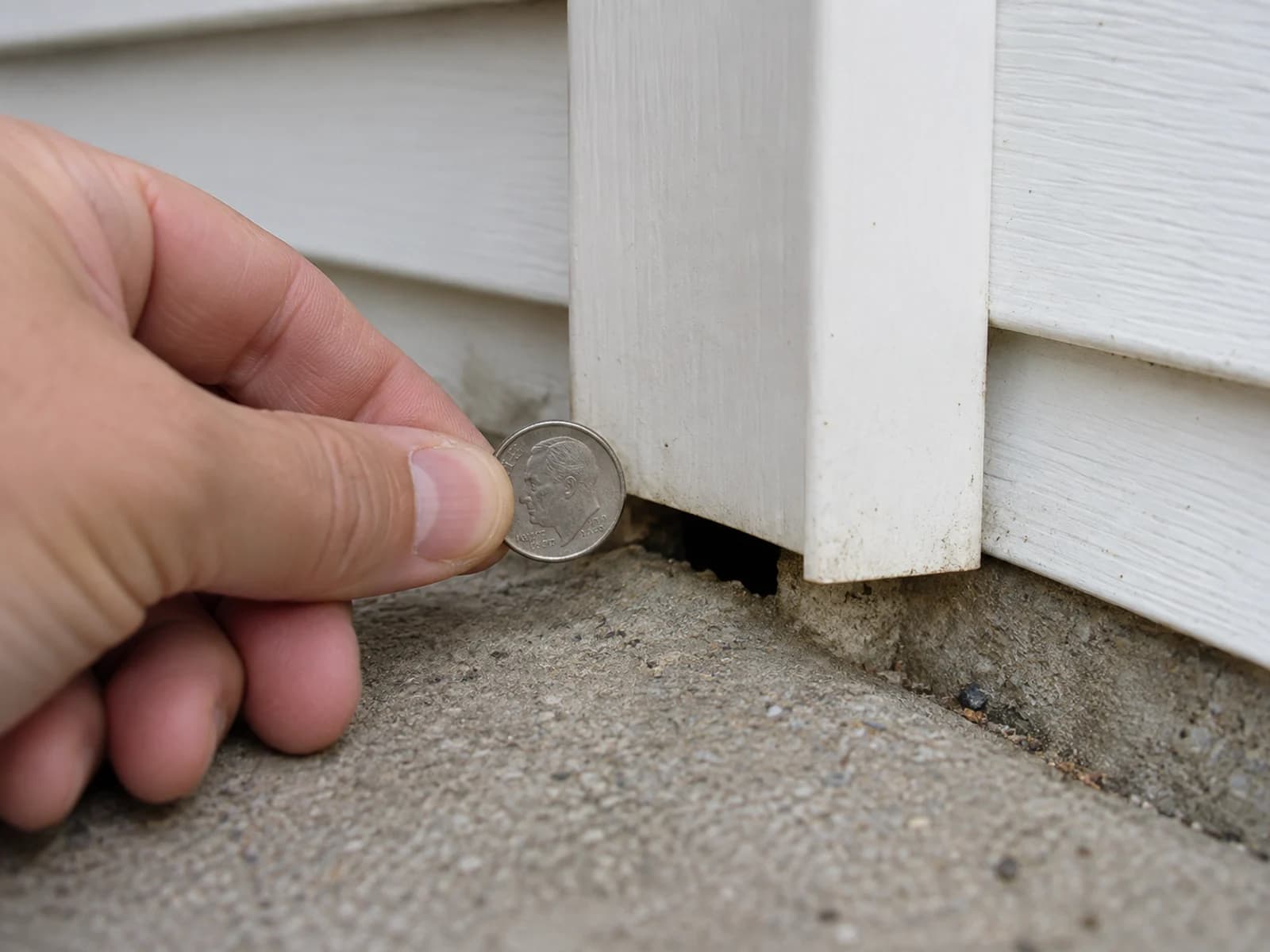
Most people picture a hole they could put a finger through. The real opening is smaller, and it rarely looks like a hole.
The CDC states that mice can squeeze through openings about 1/4 inch wide, and rats through openings about 1/2 inch wide. That figure describes gap width. A quarter inch is about the thickness of a pencil. A half inch is about the thickness of a fat marker pen.
The shorthand most people have heard is the coin version: a mouse needs a hole the size of a dime, a rat one the size of a quarter. Both descriptions are correct. The CDC fractions tell you how wide a seam or slot has to be. The coins tell you how wide a round hole has to be. A dime measures about 0.7 inches across, so the two figures are not the same measurement.
Here is the part almost nobody hears. Rodents have no rigid collarbone. The skull is the only part that will not compress. If the head fits, the body follows.
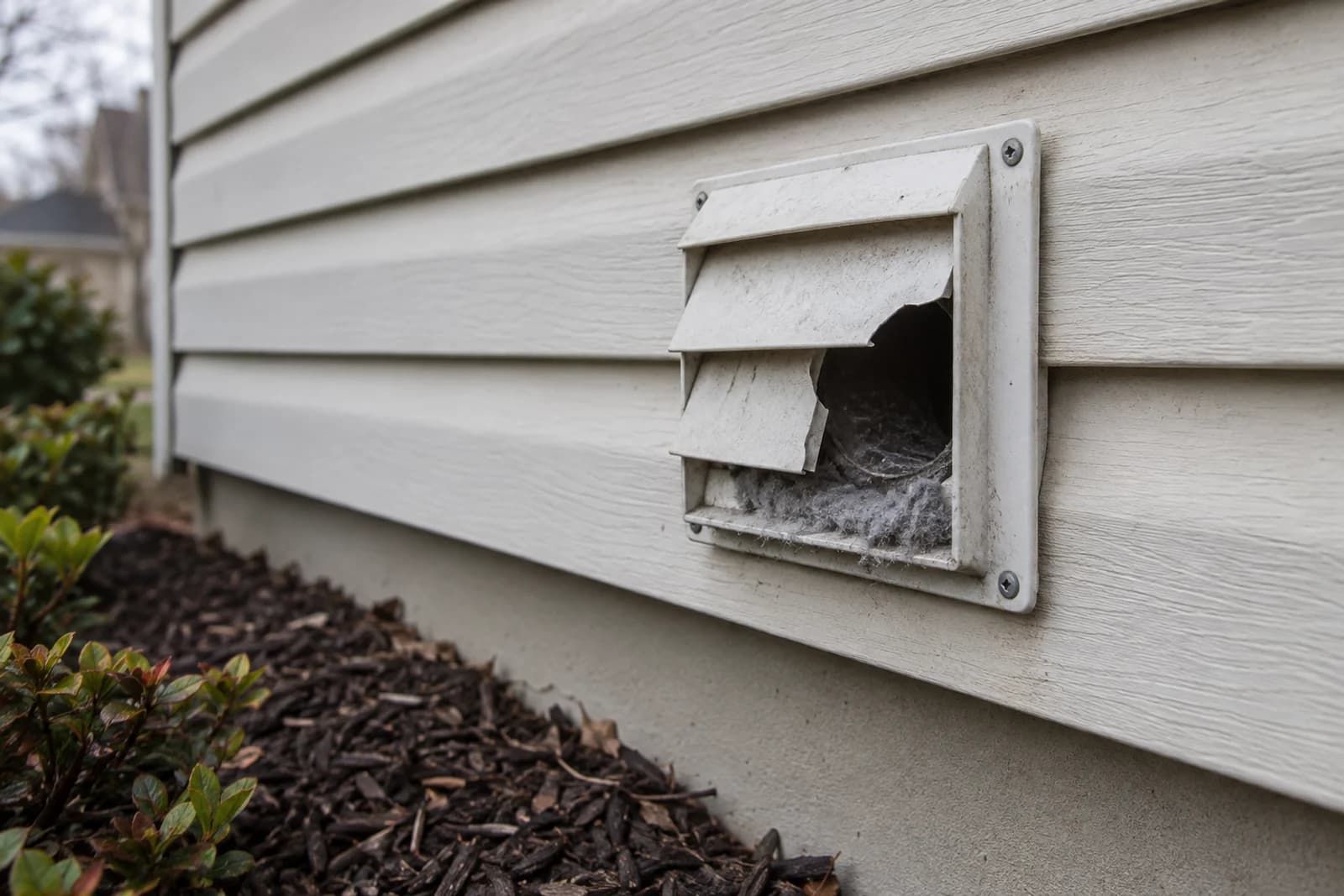
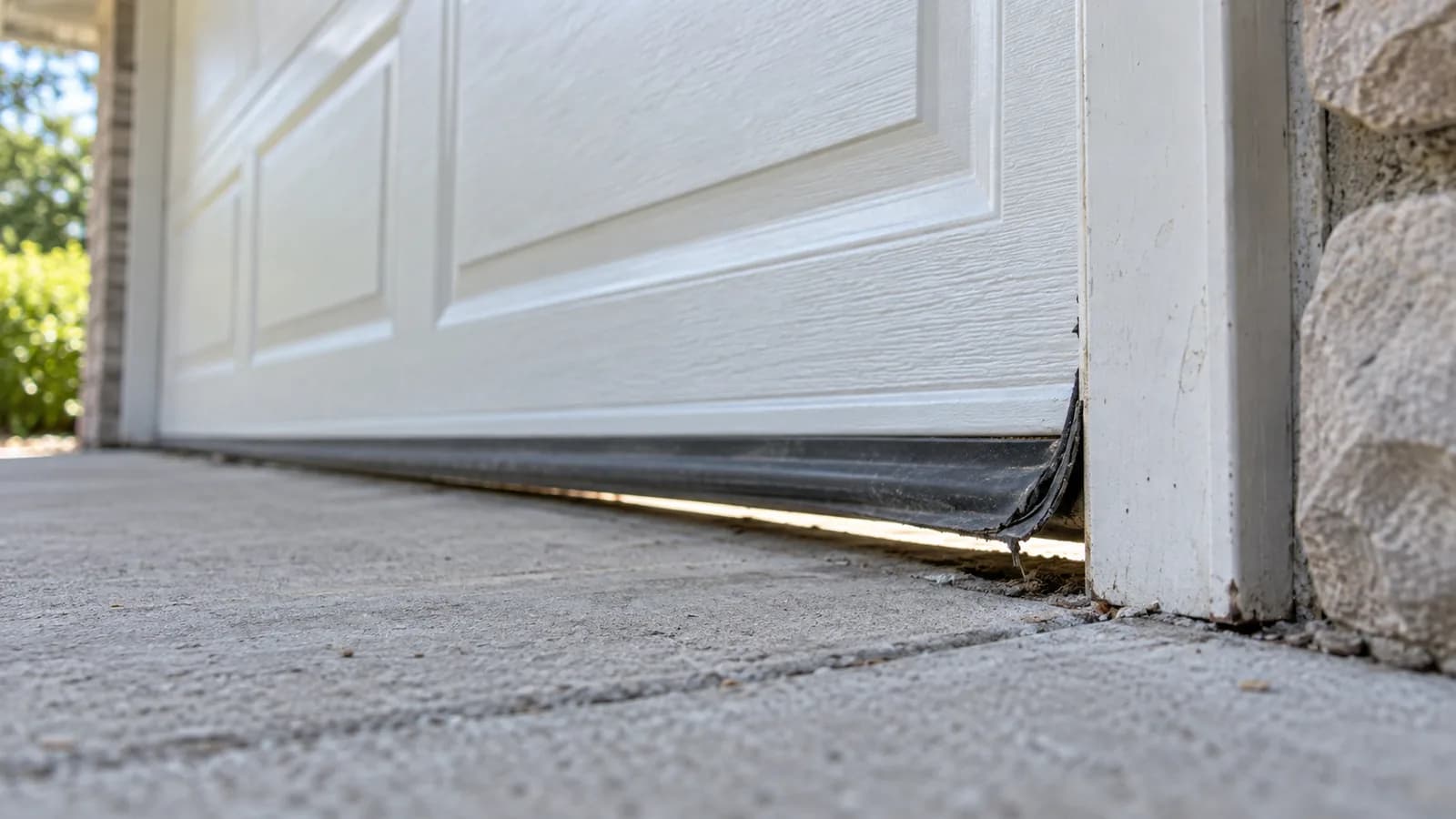
That is why the gaps that matter are the ones you never notice. A shadow along the siding. A seam at a corner board. The strip of daylight under a garage door that no longer sits flat.
Small does not mean permanent, either. Rodent incisors never stop growing, so they gnaw constantly. A gap that is too tight this month gets widened into a working entrance.
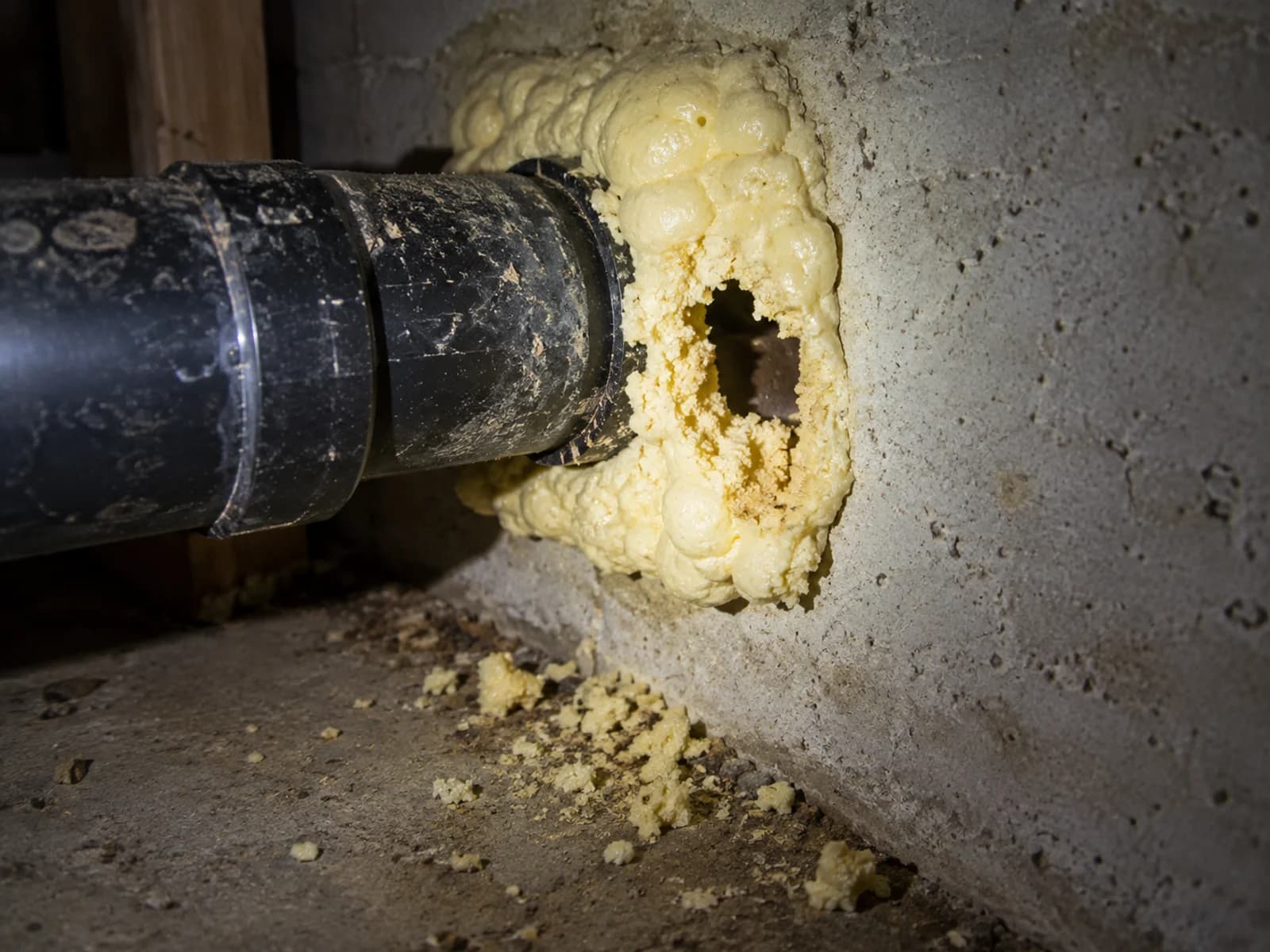
That is also why the fix has to be chewable-proof rather than merely airtight. Foam and caulk close a gap to weather and to nothing else. Exclusion work uses metal instead: steel wool or copper mesh driven into the void, or hardware cloth screwed across a vent opening, all of which an incisor cannot cut.