Technician sealing a gap at a garage corner during rodent exclusion work.

Alpha-Dog Pest Control

Rodent Control and Exclusion in Southern Indiana

Rodent control and exclusion means finding and sealing the gaps mice and rats use to get inside, not just setting traps. A mouse fits through a hole the size of a dime. A rat needs one the size of a quarter. Trapping catches what is already in your house. Exclusion keeps the next ones out. Across Evansville and Southern Indiana, Alpha-Dog Pest Control finds and seals the entry points and removes the rodents already inside. Callbacks between scheduled visits are free on a quarterly or monthly plan, which is what keeps the next ones from finding a way back.Rodent control and exclusion means finding and sealing the gaps mice and rats use to get inside, not just setting traps.

Licensed and insured
Licensed and insuredIndiana 7A and 7B licensedFree inspection and written quote

How Rodents Get In

It takes less of an opening than people expect. If a pencil fits through the gap, a mouse can follow it. Rodents have no rigid collarbone, so they compress through openings that look far too small to matter.

Here is where we find them coming in. Cracks in the foundation and the gaps where pipes and utility lines pass through the wall are the two we see most. Garage door edges and worn weather seals come next, along with attic and gable vents. Then there is the sill plate, where the frame meets the foundation, and the junctions where the soffits meet the roof line. Dryer and exhaust vents round it out, because the flap that is supposed to close often does not.

Most homeowners walk past their entry point every day and never see it. It is usually low, behind something, or above eye level. A downspout corner. The back of the garage. A vent nobody has looked at since the day you moved in. Finding that opening is the actual skill in this work, and it is why a real walkthrough beats guessing.

Older housing stock around the Evansville metro gives rodents plenty of options. Crawl spaces sit low and close to the ground. Foundations settle over decades and open gaps along the sill plate. Attic vents on plenty of Evansville and Newburgh homes are unscreened, or the screen rusted through years ago. None of that means your house is in bad shape. It means it has been standing a while.

If you want the longer version, we wrote up how mice and rats enter buildings, plus a short answer on how do mice get into walls.

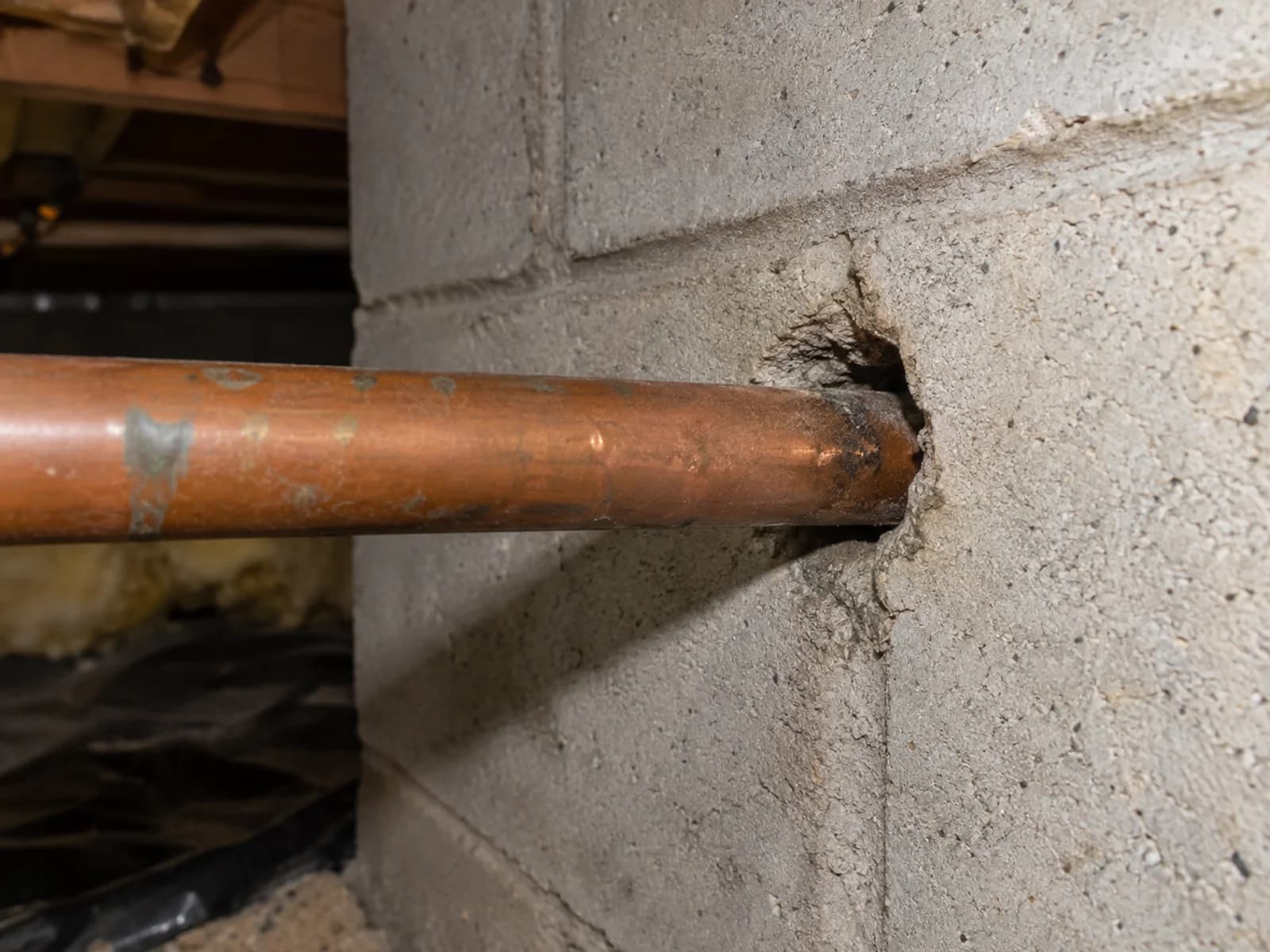
Dime-sized gap where a copper pipe passes through a block foundation.

Exclusion Versus Trapping: The Honest Difference

Trapping has a real role. It removes the rodents already inside, and that work has to happen. But trapping is reactive. It treats the symptom and leaves the opening alone.

Sealing is what makes it stick, and what an opening gets sealed with matters more than most homeowners expect. Expanding foam, caulk, wood and plastic all fail, because a rodent chews straight through them. The materials that hold are metal: copper mesh and steel wool packed into a gap, or hardware cloth fastened across a vent.

There is no single answer that fits every hole. The right material is decided at the opening itself, once someone has looked at how big it is, where it sits, and what is around it.

Setting traps without sealing the entry point does not fix the problem. More mice come in behind the ones you caught. That is why the trap keeps filling, and why a monthly bait plan can run indefinitely without ever ending the problem. We lay out the whole tradeoff on trapping vs exclusion.

Exclusion is the half that lasts. We seal the entry points so the next mouse has nowhere to walk in. Start with rodent exclusion basics if you want the full picture.

How a gap gets closed is the credibility test. Rodents chew straight through expanding foam, wood, caulk, and plastic, so a gap plugged with any of those looks like a repair without being one. We close the openings we find so they stand up to teeth, and we tell you what we did at each spot. See sealing entry points for how we work each one.

Sealing holds up better when the outside stops inviting them in. We trim vegetation back off the structure, move woodpiles and clutter away from the foundation, and cut off food and water sources in the yard.

Order matters. You remove what is inside and you seal what is open. Sealing alone with rodents still in the structure shuts them in, and that becomes its own problem. Both halves, in the right order. That is the honest answer to can sealing holes stop mice.

We would rather do this work once than run a trap route at your house year after year.

A free inspection tells you where they are getting in. Call (812) 401-1028 and we will walk the foundation line with you.

Winter Prevention and Cleanup

In Southern Indiana the rodent calls follow the harvest. Fields get cut in October. The cover disappears, and the mice living in it start looking for somewhere warm. Then the first cold snap lands and nights drop below 50 degrees. Mice move toward warm foundations. That is the moment the calls start.

The practical advice is simple. Seal before the cold drives them in. Exclusion work done in late summer and early fall is easier, because you are closing gaps in dry weather instead of chasing mice already inside a wall. There is no deadline here. It is just easier before it spreads.

Here is what you can do now. Walk the foundation line and look for gaps. Check where pipes and utility lines enter the house. Look at the garage door seals, along the bottom and at both corners. Check the attic vents for torn screen. Keep firewood, mulch, and clutter off the foundation, because cover against the wall is an invitation.

There is more detail on how to keep rodents out in winter.

Then there is what they leave behind. Droppings and nesting material sit in insulation, drawers, and crawl spaces long after the rodents are gone. When the job calls for it, we clean up what they left behind and disinfect the area as part of the job.

One handling note that matters. Do not sweep or vacuum droppings up dry. That puts particles into the air you are standing in. It is the reason cleanup belongs inside the work we do rather than handed back to you.

Technician with a headlamp inspecting an attic corner near the eave line.

What Rodent Control Costs and How We Quote It

Here is what we can tell you before we look, and what we cannot.

Across this industry, rodent work generally runs somewhere between $180 and $600. That is market and industry research on rodent work. It is not our quote and not our price range. We do not price your house off an industry average.

What actually moves the number is exclusion scope. How many entry points there are. How big they are. How reachable they are, because a gap under a low deck takes longer than one at eye level. And how much material the seal takes. A single gap behind a dryer vent is not the same job as a sill plate open along a whole side of the house. Same pest, very different job.

So we look first. The inspection is free. We walk the structure, find the openings, and hand you a written quote before any work starts. Nobody starts a job off a guess over the phone.

More on what drives rodent control cost. The steps themselves are on our rodent control service.

Rodent pressure is seasonal and it returns every fall, so this work is protected by the schedule rather than by a warranty. We keep coming back on a quarterly or monthly plan, and callbacks between those visits are free on that plan. Call (812) 401-1028 for a free inspection.

Work in the field

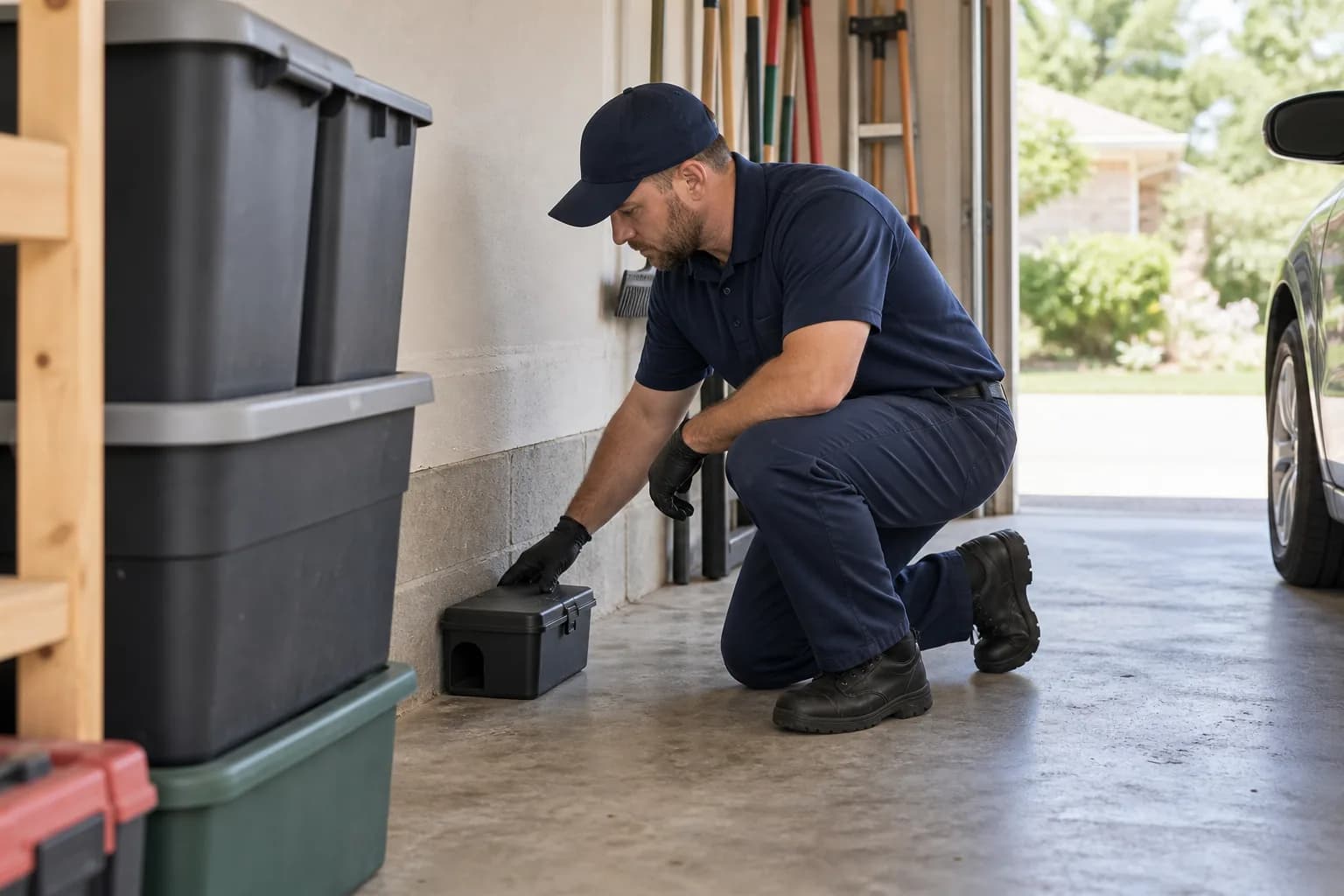
Tamper-resistant rodent station placed against a garage wall behind stored items.
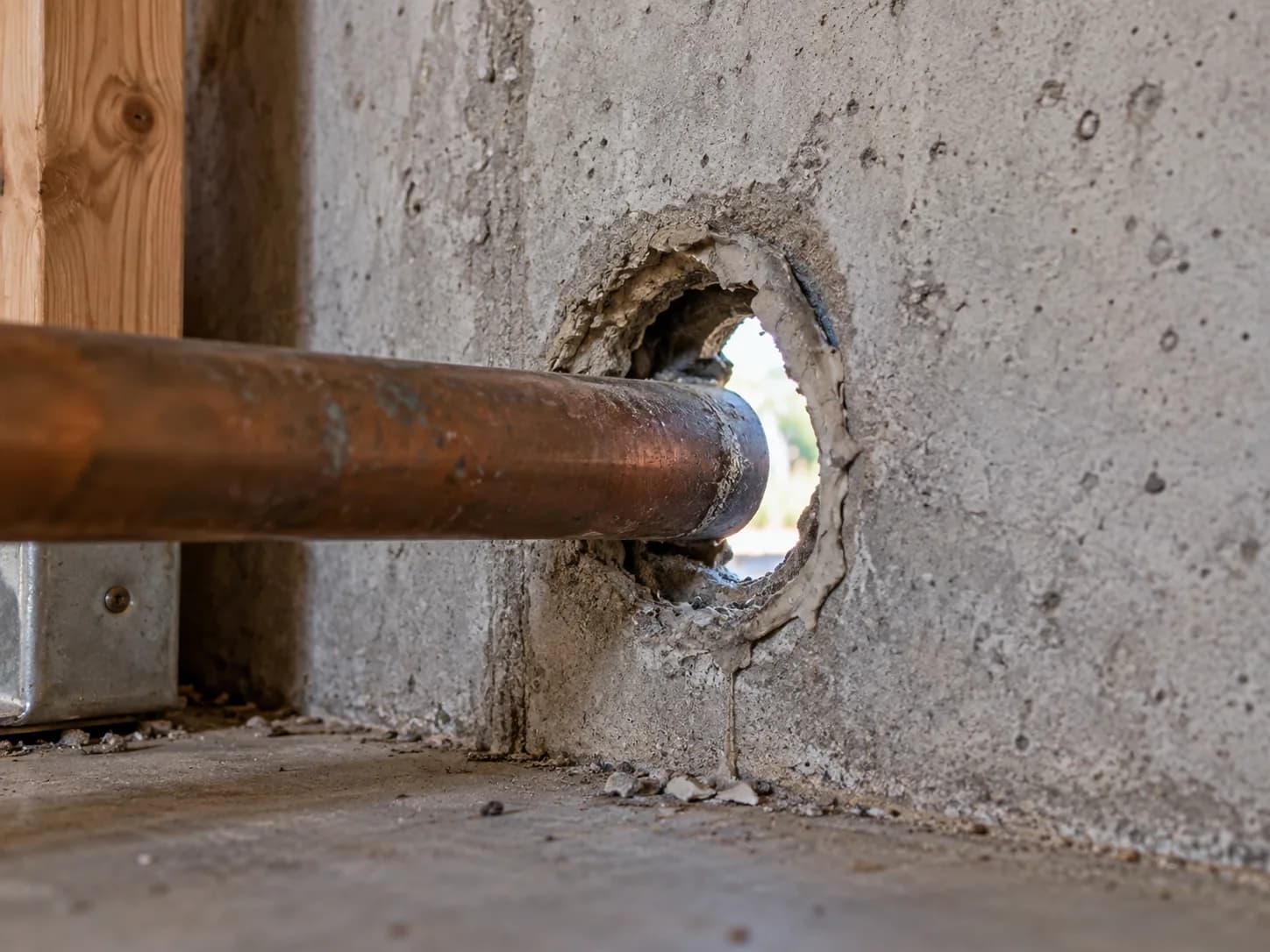
Daylight showing through a gap where a utility pipe passes through a foundation wall.

Free

Inspection before the written quote

Written

Scope and price before work starts

Local

A small team serving the Evansville area

Since 2020

Serving Southern Indiana

Where We Work

We work out of two locations, Evansville and Newburgh, and serve homeowners and businesses across the Evansville metro and Southern Indiana:

EvansvilleVanderburgh County
NewburghWarrick County
BoonvilleWarrick County
Mount VernonPosey County
PrincetonGibson County
JasperDubois County
WashingtonDaviess County
Santa ClausSpencer County
BloomingtonMonroe County
Henderson, KYHenderson County, KY

Frequently Asked Questions

Do I have mice or rats?

Droppings are the fastest tell. Mouse droppings are small with pointed ends. Rat droppings are noticeably bigger. Larger gnaw marks and heavier sounds in the walls point to rats.

How did they get in?

Through a gap about the size of a dime. A rat needs a quarter. We check foundation cracks, pipe entries, garage door edges, attic vents, and sill plates.

Will sealing the holes actually keep them out?

Yes, when the opening is closed with something rodents cannot chew back through. Foam, wood, and caulk are not real repairs, because rodents go straight through all three. No seal is absolute, but sealing is the part that lasts.

How do I keep them from coming back in winter?

Seal before the cold arrives. When the fields get cut in October and nights drop below 50 degrees, mice move toward foundations. Fall work beats January work.

Are the droppings dangerous to clean up myself?

They can carry disease. The bigger risk is sweeping or vacuuming them dry, because that puts particles into the air. Cleanup is part of the rodent job when it is warranted.

What does rodent control cost?

It depends on the exclusion scope: how many entry points there are and how reachable they are. Industry research puts rodent work generally between $180 and $600. That is market data, not an Alpha-Dog quote. We inspect free and put a written quote in your hands before any work starts.

Start With a Look

We come look, we find the entry points, we seal them, and you get the quote in writing before any work starts. The inspection is free.

Zach still likes to take the first visit himself. He wants to see the problem with his own eyes and hear what you are dealing with in your own words. When he cannot get there, it is Dylan or one of the crew, working the same way.

The Alpha-Dog Promise on rodent work is the schedule. We keep coming back on a quarterly or monthly plan, and callbacks between those visits are free on that plan.

If you think you have rodents, do not wait. It is easier before they settle in and breed. Call (812) 401-1028.

Get a free quoteCall (812) 401-1028Call now

Free QuoteCall NowPhones answered after hours