
The Real Treatment Process
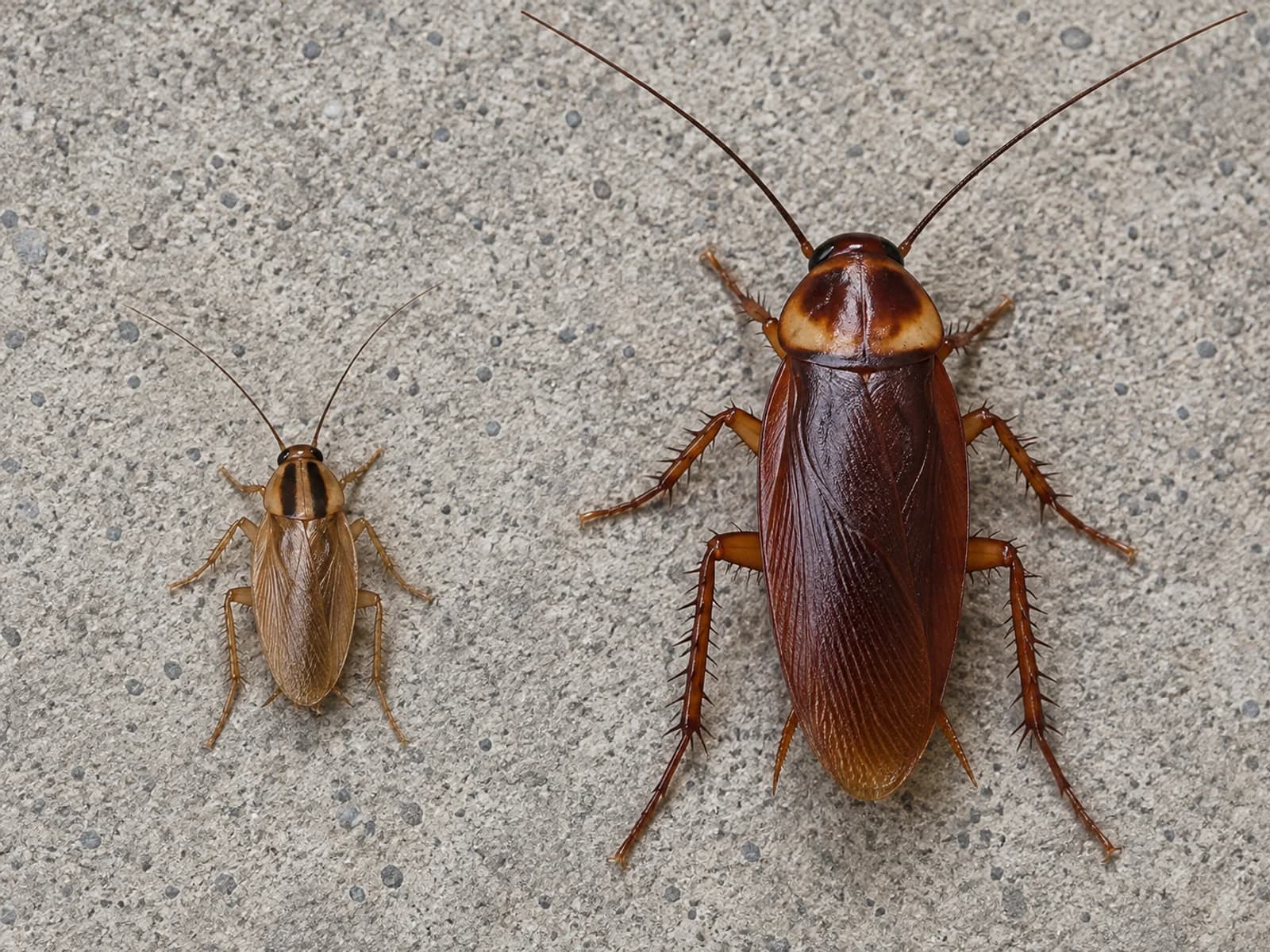
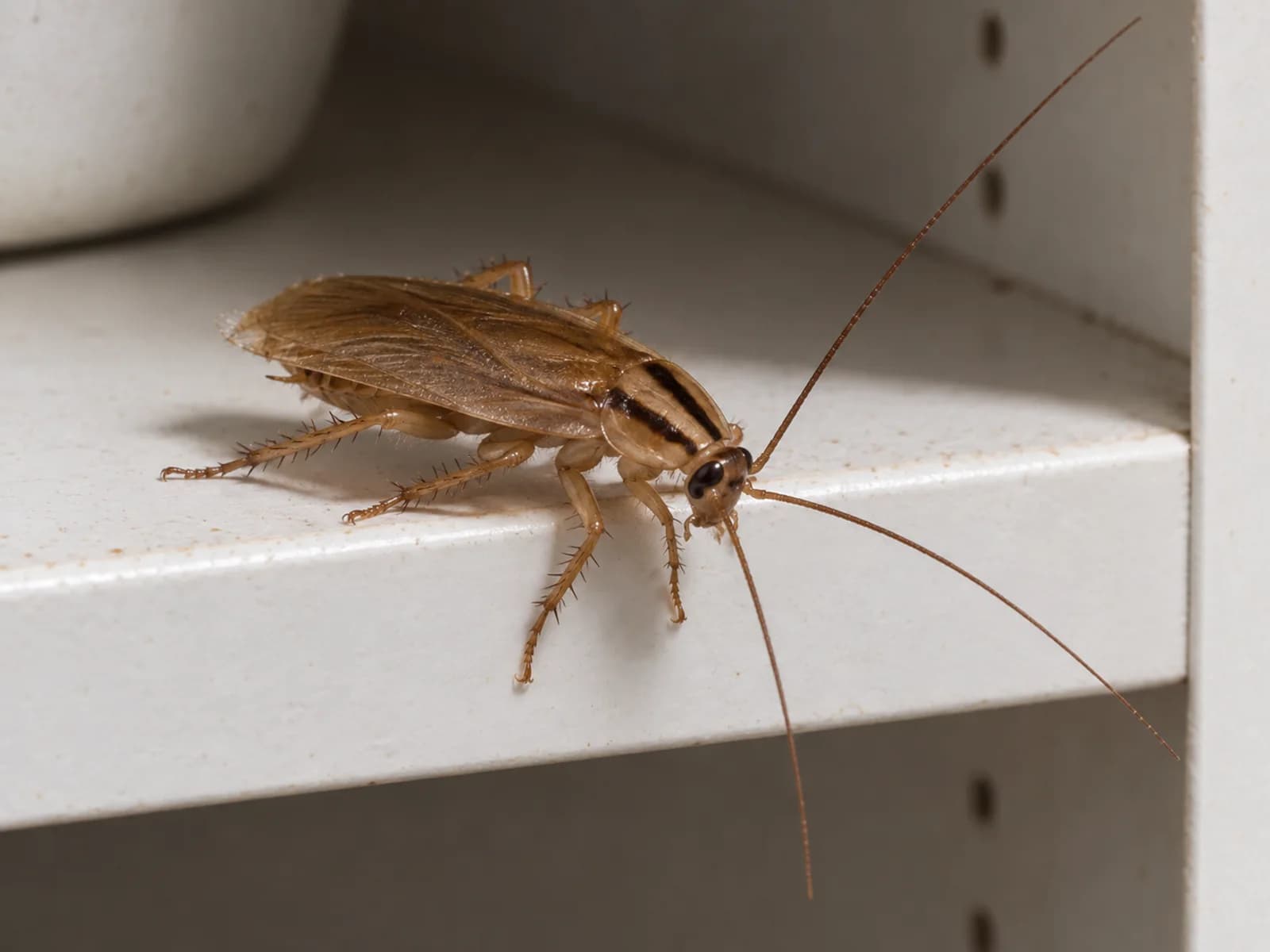
1. Inspection, to name the species and find the harborage. Where you saw one and where they live are rarely the same place. We pull the fridge, open the dishwasher panel, and check hinge gaps and drawer rails. Zach still likes to take the first visit himself and gets there as often as he can, because he wants to see the problem with his own eyes and hear it in your words.
2. A flushing agent moves them out of the voids. We see the true extent of the population instead of guessing at it. What comes out sets the scope for everything after.
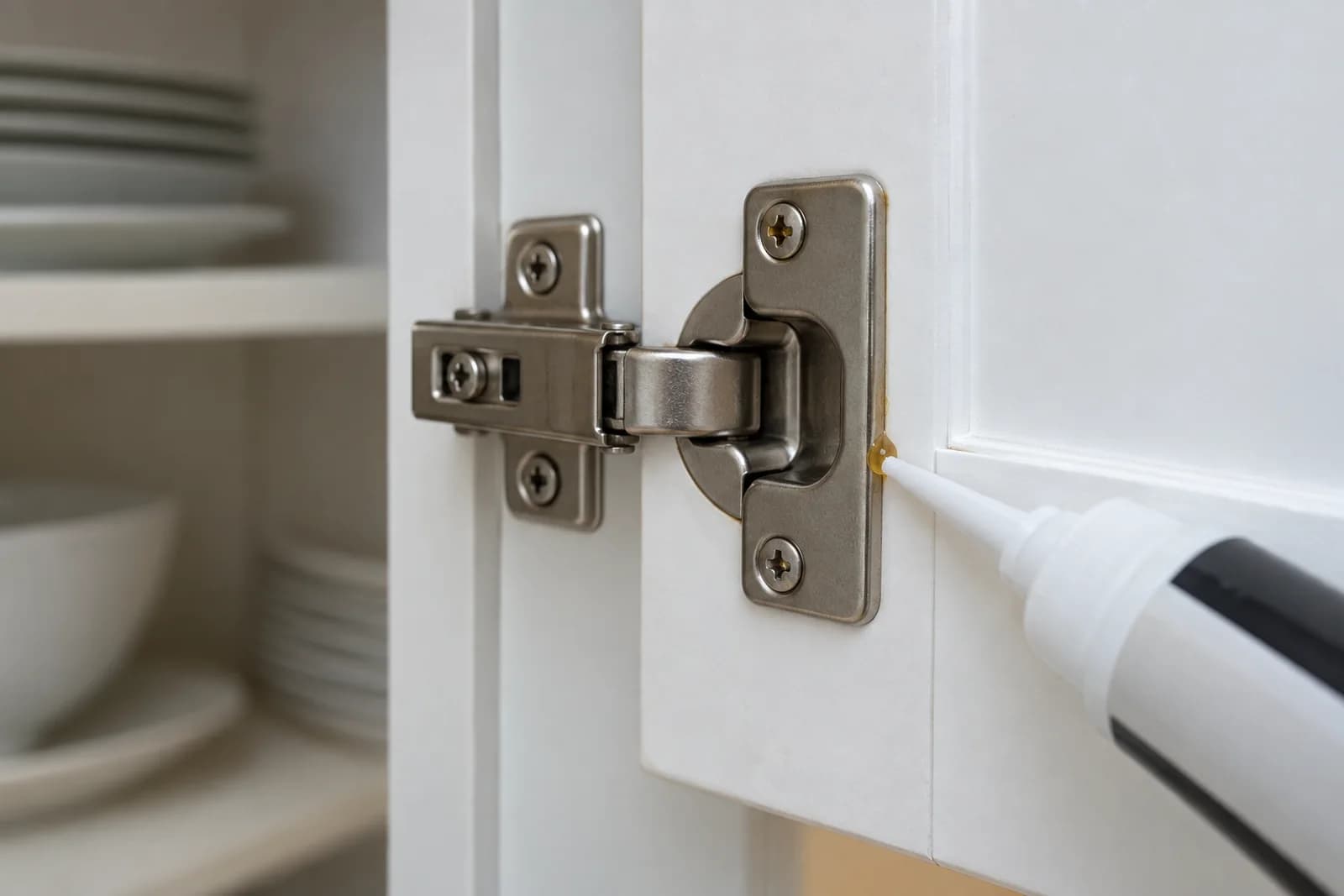
3. Crack-and-crevice application. Product goes into the seams, hinge gaps, and voids where they actually sit. Not sprayed across an open baseboard, where nothing lives and nothing gets touched.
4. Gel bait placements go in the harborage. This is why bait beats a contact spray here. A roach feeds, returns to the harborage, and the active ingredient moves through the population from there, including the ones we never see. A spray only works on what it lands on. It cannot travel.
5. Monitors go down. They sit where the activity is, so the follow-up visit reads data instead of opinions. The counts tell us whether the numbers are dropping.
6. Follow-ups run on a schedule that matches the breeding cycle. Weekly on a heavy job. Eggs already laid keep hatching after the first treatment, so the visits line up with that. The key is consistency.
7. Sanitation and exclusion, named plainly. Pull the moisture source, the drip under the trap or the sweating supply line. Seal the harborage gaps. Get the cardboard out, because corrugated cardboard is harborage. No judgment in it, just the conditions.
8. The job closes when the monitors come back empty and the follow-up visits read clean. That is the point the job closes at, not the first treatment. Until then we keep coming back on a quarterly or monthly plan, and callbacks between those visits are free on that plan.
Alpha-Dog is licensed and insured, and our technicians are certified through the Office of the Indiana State Chemist via Purdue.

